





When the world thinks of deserts, Saudi Arabia comes to mind. It is a land where black gold gushes forth with barely a dig. For decades, Saudi Arabia has commanded global influence on the strength of its oil alone. Yet it has belatedly grasped a hard truth: oil reserves are not permanent. One day the wells will run dry, and the question of what comes next has weighed on the kingdom. That single realization has transformed Saudi Arabia’s image. Crown Prince Mohammed bin Salman resolved to end the country’s dependence on oil and turn it into a global investment capital and tourist destination. But the Houthi rebels of Yemen have now emerged as the biggest threat to that dream.
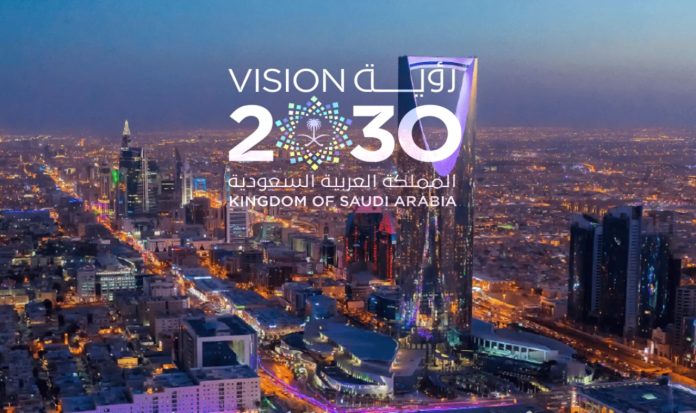
In 2016, Crown Prince Mohammed bin Salman announced Saudi Vision 2030, a plan whose central aim is to grow non-oil revenue. To that end, the government overhauled its administration and expanded its digital network. To fund these projects, the kingdom listed its largest oil company, Aramco, on the stock market. The 2019 IPO broke world records, and the company is now valued at more than $1.7 trillion. The crown prince has channeled Aramco’s enormous profits, along with oil income, directly into developing national infrastructure.
On the Red Sea coast, an ultra-modern, futuristic city called NEOM is being built at a cost of nearly $500 billion. Diriyah Gate is being developed to showcase Saudi Arabia’s ancient culture and history to the world. In the capital, Riyadh, a massive cube-shaped structure called Mukaab is under construction. It is considerably larger than New York’s Empire State Building and, once complete, would go down in history as the largest building in the world. The world has looked on in amazement at Saudi Arabia’s progress in healthcare, education, tourism and entertainment. Had the Vision 2030 targets been met as planned, Riyadh would have become a major force in the global economy.
Just as everything appeared to be going to plan, Houthi insurgents from neighboring Yemen began depriving Saudi Arabia of sleep. They are striking the very places that form the kingdom’s lifeline. Saudi oil refineries, major pipelines and even international airports have come under fierce attack by the Houthis using bombs, missiles and drones. Saudi Arabia is a vast country, and although it intercepts some of the drones the Houthis send, it lacks missile defense systems capable of covering its entire territory.
Earlier, Iranian missile and drone attacks on U.S. military bases in Saudi Arabia damaged some key defense systems, making it harder still for Riyadh to repel Houthi attacks. Former U.S. President Donald Trump has pledged assistance, but so far it has not translated into full-fledged protection on the ground. On one side are marvel cities built at a cost of billions; on the other, drone strikes that could reduce them to ashes within minutes. For Crown Prince Mohammed bin Salman, who is racing to secure his country’s future before the oil runs out, the Houthi attacks have become a crippling blow.