





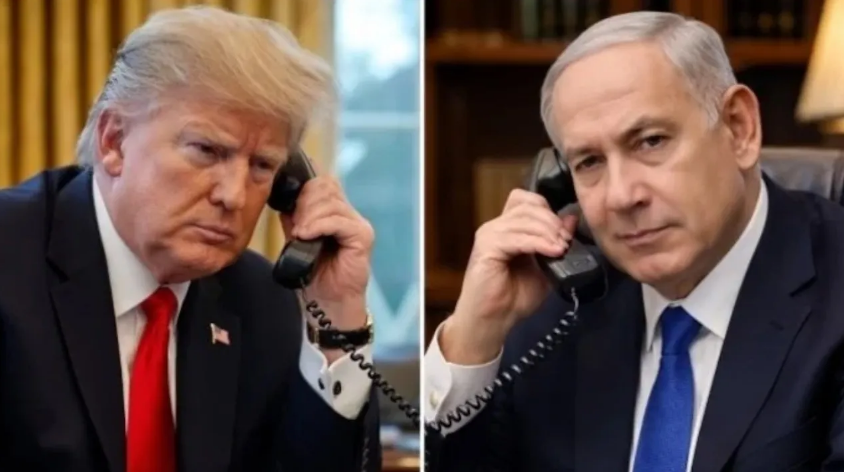
Emerging developments in international politics have brought to light reported differences between the United States and Israel over the escalating situation in Lebanon. According to international media reports, U.S. President Donald Trump has expressed strong displeasure with Israeli Prime Minister Benjamin Netanyahu over Israel’s military operations targeting Hezbollah and their impact on regional stability.
Reports indicate that during a recent telephone conversation, Trump voiced concern over Israel’s aggressive approach toward Hezbollah, particularly following strikes that reportedly resulted in civilian casualties in Lebanon. The issue gained further significance after Iran allegedly warned that it could withdraw from diplomatic engagements with Washington if Israeli attacks on Lebanon continued. According to the reports, Trump believes Israel’s actions risk undermining ongoing diplomatic efforts and complicating broader attempts to reduce tensions across West Asia.
The reported disagreement comes amid heightened regional uncertainty, with Israel continuing military operations against Hezbollah targets and issuing warnings related to security threats along its northern border. U.S. officials cited in international media reports suggested that Washington is increasingly concerned that unilateral military actions could hinder diplomatic initiatives aimed at preventing a wider regional conflict.
Despite reports of friction, Trump later stated on his Truth Social platform that discussions with Netanyahu had been constructive. He indicated that Israeli forces would not advance toward Beirut and claimed that Hezbollah had shown willingness to observe a ceasefire arrangement, raising hopes of a possible reduction in hostilities.
However, Netanyahu’s public comments appeared to reflect a different position. The Israeli Prime Minister reiterated that Israel would continue to respond decisively to any attacks on its territory or citizens and emphasized that national security considerations would remain the government’s top priority. He also stated that Israel’s position had been clearly communicated to the U.S. administration.
The contrasting messages from Washington and Tel Aviv have fueled speculation about policy differences between the two allies regarding the Lebanon conflict and the broader regional security landscape. Analysts note that while both countries remain strategic partners, recent developments underscore the challenges of balancing military objectives with diplomatic efforts in an increasingly volatile Middle East.