





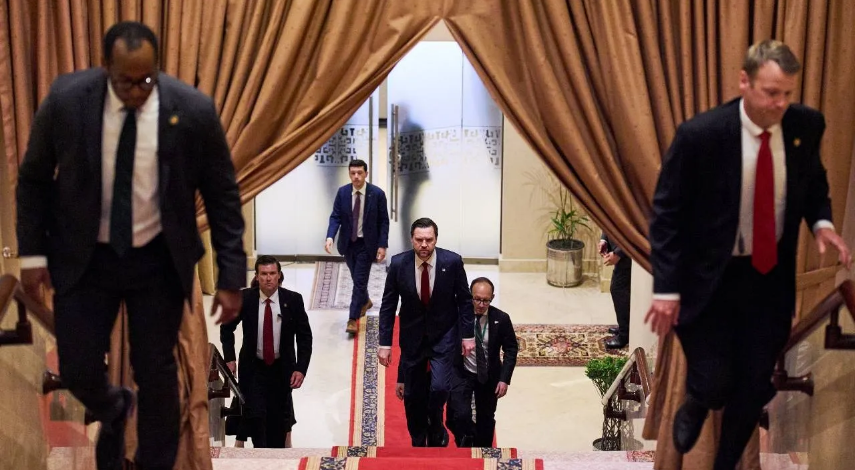
High-level talks between the United States and Iran, held in Pakistan with the aim of de-escalating tensions in the Middle East, concluded after 21 hours of discussions without reaching any agreement. Following the marathon negotiations on Saturday, US Vice President JD Vance said Washington had presented a “highly attractive offer,” and asserted that Iran’s refusal to accept it would ultimately prove detrimental to its own interests.
The central demand from the United States was that Iran must completely abandon any pursuit of nuclear weapons and provide an unequivocal assurance that it would neither develop such weapons nor acquire related technology. Vance stated that this commitment remains a key objective of President Donald Trump’s administration. However, Iran did not offer the clear and binding guarantee sought by Washington, leading to a breakdown in the talks.
అమెరికా, ఇరాన్ మధ్య శాంతి చర్చలు ఎందుకు ఫెయిల్ అయ్యాయి.
న్యూక్లియర్ కమిట్మెంట్స్, స్ట్రైట్ ఆఫ్ హొర్మూజ్పైన ఆధిపత్యాన్ని వదులుకోమని అమెరికా ఒత్తిడి పెంచింది.
అమెరికా కండీషన్స్ ఇరాన్ స్వతంత్రతను కించపరిచేలా ఉన్నాయి.
అందుకే ఇరాన్ అమెరికా ఆంక్షలకు లొంగలేదు.@StateDept… https://t.co/in26gTPXtD— Ravi Prakash Official (@raviprakash_rtv) April 12, 2026
Discussions also reportedly covered the issue of unfreezing Iranian assets, along with strategic concerns over the Strait of Hormuz, a crucial global oil shipping route. According to Iranian state media, no consensus could be reached on these matters, with Tehran describing the US conditions as “unfair” and not aligned with its national interests.
While the US maintained that it had made sincere efforts to resolve the issues through dialogue, President Trump dismissed the need for any alternative “Plan B,” claiming Iran’s military capabilities had already been significantly weakened. With the negotiations ending in deadlock, global concern has risen over the possibility of renewed hostilities after the current two-week ceasefire period expires.