





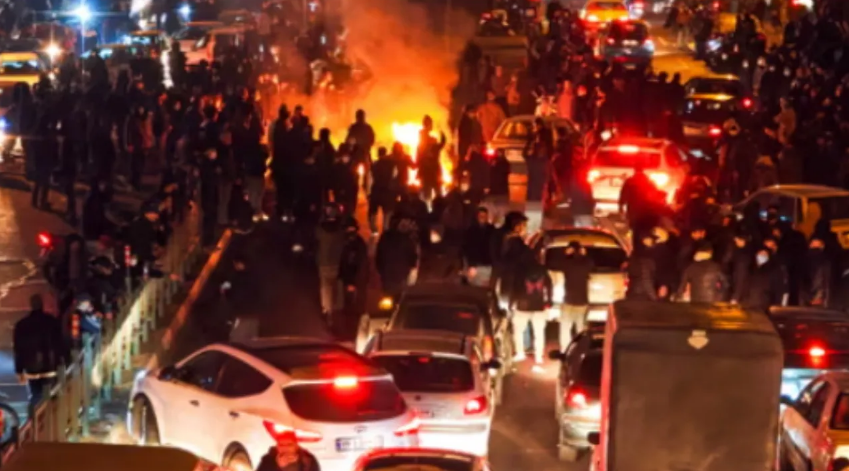
Massive protests erupted in Iran a few days ago, with thousands of demonstrators taking to the streets to voice their grievances. The Iranian government responded by arresting large numbers of protesters and detaining them, reportedly preparing to impose the death penalty on some, though U.S. diplomatic intervention led to a temporary halt of such executions. Official estimates indicate that over 5,000 people—including approximately 500 security personnel—have died during the protests, while the actual number of casualties is believed to be higher.
Forced nudity, unknown injections: Iranians pay heavy price for defying Khamenei#Iran #AyatollahAliKhameneihttps://t.co/xiNTj9iLhB
— Jaano Junction (@JaanoJunction) January 21, 2026
Reports from British media and human rights groups indicate that detained protesters are being held under harsh and inhumane conditions. Families allege that prisoners have been forced to stand naked in prison yards and subjected to cold water dousing. There are also claims that unidentified injections are being administered to detainees for unknown purposes, raising serious health concerns. The situation is reportedly worse for female prisoners, who have faced particularly severe mistreatment, including abusive behavior during transfers.
Despite international criticism, the Iranian government has reiterated that those accused of supporting foreign powers will face legal consequences and cannot expect leniency. Human rights organizations have expressed alarm over the treatment of detainees, calling for greater transparency and accountability in Iran’s handling of the protests and the welfare of those in custody.