





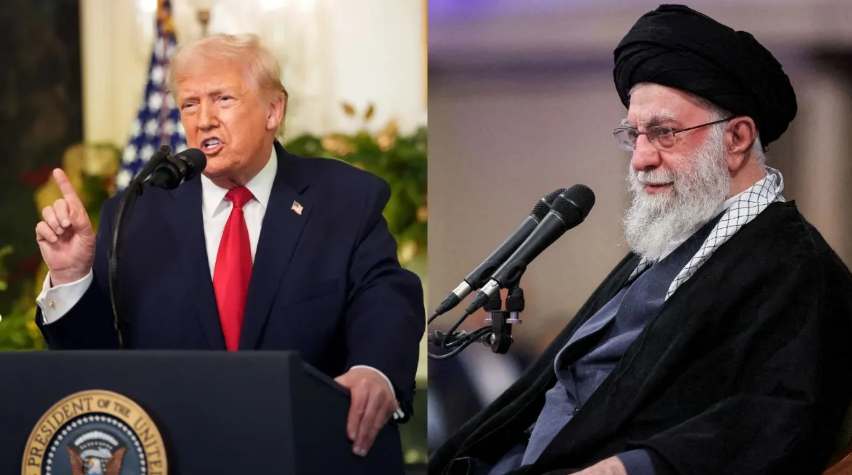
Anti-government protests in Iran have escalated into widespread violence, with security forces opening fire on demonstrators. As of Sunday, the death toll has reportedly risen to 538, including 48 security personnel. Iranian authorities have detained at least 10,670 protesters. Amid the unrest, the United States has expressed support for the protesters, with former US President Donald Trump warning of possible intervention if harm continues. Officials indicate that several response options against Iran are under consideration.
There is growing speculation that the United States may opt for indirect involvement rather than direct military intervention, though no final decision has been taken, according to officials. However, sources suggest that a further rise in civilian casualties could prompt decisive action. Iran, meanwhile, has issued strong warnings to Washington. Iranian Parliament Speaker Mohammad Bagher Ghalibaf stated that any US attack on Iranian territory would be met with retaliation against American military bases and naval assets across West Asia.
Addressing the situation, Iranian Foreign Minister Abbas Araghchi claimed that internal conditions are now fully under control. He accused the US of using the protests as a pretext to interfere in Iran’s internal affairs. Strategic experts warn that direct US action could potentially trigger a full-scale conflict between the two nations. While the US maintains overwhelming military superiority in terms of technology, air power, and global presence, Iran retains significant regional leverage through missile capabilities, proxy groups, and control over the Strait of Hormuz—making any confrontation costly for both sides.