





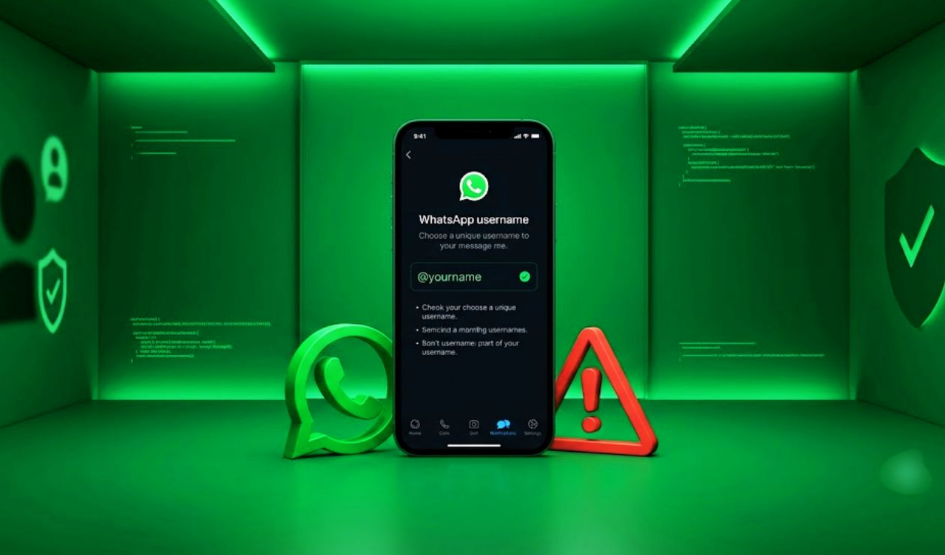
Popular messaging app WhatsApp has announced a brand-new feature. For nearly a decade, phone numbers have been the sole way for users to contact one another on the platform. WhatsApp is now set to end that practice by soon rolling out a “usernames” feature.
Through this feature, users will be able to connect with anyone using just a username, without having to share their phone number. While some have welcomed the move, others have expressed concern, with discussions centring on whether the feature could open the door to cyberattacks and what the social and security implications are. It has also become a point of interest as to why WhatsApp is introducing this so late, given that Telegram rolled out a similar feature years ago and found good success with it.
As with any new technology, several concerns have surfaced alongside it — chief among them the fear that the usernames feature could make it easier for online scammers to run scams using fake IDs. This concern has become a hot topic and has reportedly caught the attention of Indian government officials. According to reliable sources, the government has decided to closely examine the feature before it is fully rolled out, studying whether WhatsApp has put adequate safeguards in place to prevent misuse by cybercriminals. Should any lapses be found, notices could be sent to parent company Meta.
Speaking on the feature in a recent interview with a national media outlet, cybersecurity expert and ClarasCon AI Managing Partner Mukul Kumar said the usernames feature would bring major relief to user safety. He pointed out that in India, every individual’s phone number is invariably linked to their Aadhaar, bank accounts, UPI, and various other government records, and that people often unknowingly share this identity with strangers when handing out their number. He added that by hiding phone numbers from other users, WhatsApp’s new feature would offer a significant boost to user safety.