





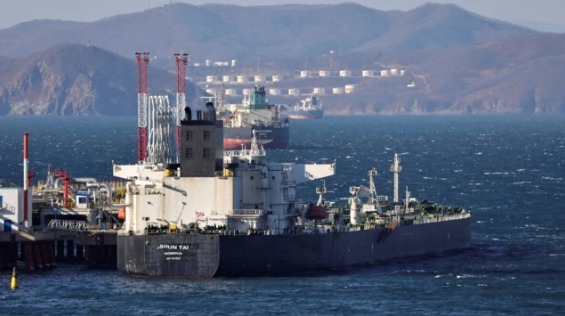
A historic peace agreement has been reached between the United States and Iran, bringing an end to a war that lasted approximately 107 days. The conflict began on February 28 when the US launched strikes on Iran, triggering serious concern across the world. Mediated by Pakistan and Qatar, the peace deal was formally confirmed by US President Donald Trump and Pakistan Prime Minister Shehbaz Sharif. Under the agreement, the Strait of Hormuz will be reopened immediately without any toll, the US naval blockade on Iranian ports will be lifted, and both sides have agreed to restore global oil supply chains.
Among the countries set to benefit most from this development, India stands at the front. India depends on foreign imports for 80 to 85 percent of its crude oil needs, making the reopening of the Strait of Hormuz — through which 20 percent of the world’s oil and LNG supply passes — a major relief. Global Brent crude prices are expected to fall significantly, easing pressure on domestic petrol and diesel prices and helping bring inflation under control. India’s oil import bill will reduce, pressure on foreign exchange reserves will ease, and the Rupee is expected to strengthen further.
A particularly significant aspect of the deal for India is the opportunity to resume buying oil from Iran — something that had stopped due to US sanctions. Previously, India purchased Iranian crude cheaply through a Rupee-Riyal trade arrangement, bypassing the Dollar entirely. Under the new deal, the US has agreed to temporarily ease sanctions on Iranian oil exports and release frozen Iranian assets worth $25 billion, giving India a valuable opportunity to once again access low-cost Iranian crude.
Beyond oil, the deal breathes new life into India’s strategic Chabahar Port project in Iran. Chabahar is crucial for India to access Afghanistan and Central Asian nations without going through Pakistan. With US-Iran relations improving, American pressure on this project will disappear entirely. This is expected to accelerate port expansion, attract fresh investments, and speed up work on the International North-South Transport Corridor (INSTC).
According to a Reuters report, the agreement contains several clear terms. Iran must immediately reopen the Strait of Hormuz. In return, the US will lift the naval blockade within 30 days and will not impose new sanctions on Iran. Iran will be permitted to sell its oil freely but must not develop nuclear weapons. Both sides will hold detailed talks over the next 60 days on uranium enrichment and Iran’s nuclear programme.
Key Takeaways From The Deal
The peace agreement brings wide-ranging benefits for Iran, India, and other nations. Pressure on petrol and diesel prices will ease. Inflation will be easier to control. India’s oil import bill will fall. Pressure on foreign exchange reserves will reduce and the Rupee will strengthen. Iran opens the Strait of Hormuz immediately. The US lifts the naval blockade within 30 days and will impose no new sanctions. Iran gets freedom to sell oil. Frozen Iranian assets worth $25 billion will be released. Iran will not develop nuclear weapons. Detailed talks on uranium enrichment and the nuclear programme will follow over the next 60 days.
The deal not only promises stability in international markets but has also opened entirely new avenues for India’s economic growth and strategic interests in the region.