





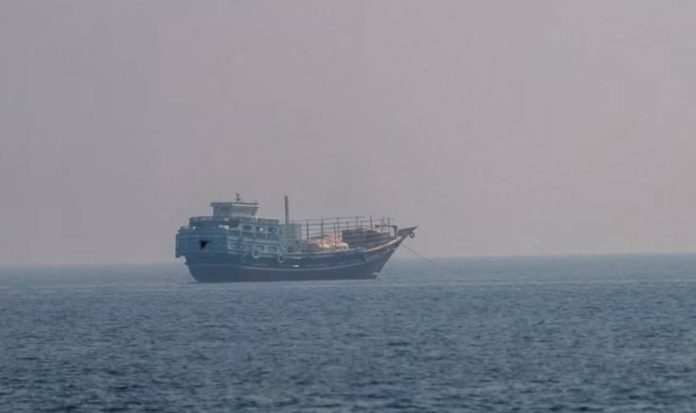
Amid escalating tensions in the Middle East, particularly attacks on vessels transiting the Strait of Hormuz, Gulf nations are undertaking a sweeping overhaul of their energy transport strategies. Countries such as the United Arab Emirates, Saudi Arabia, and Iraq, which have long depended on the strait for their oil exports, are now developing alternative routes to ship crude to global markets without relying on this maritime chokepoint. The primary motivation behind this shift extends beyond safeguarding trade flows — it is equally aimed at diminishing Iran’s leverage over regional oil supply. Roughly 20 percent of global oil trade currently passes through this narrow waterway, meaning even a minor disruption there can trigger significant spikes in petrol and diesel prices worldwide.
Gulf nations grew increasingly alarmed after Iran recently announced plans to levy taxes on vessels passing through Hormuz, and in some instances, blocked ships outright while demanding payments. Recognizing the risks of depending on a single maritime corridor, these countries have rapidly moved to build alternative infrastructure. According to a Goldman Sachs report, if all planned projects are completed on schedule, Gulf nations could route nearly 45 percent of their oil exports without any connection to the Strait of Hormuz by the end of 2027. By the close of 2028, an estimated 7.3 million barrels of oil per day could be transported through alternative channels, reducing dependence on the strait to cover just 60 percent of exports.
As part of this effort, the UAE’s West-East pipeline project is already halfway complete, with Crown Prince Sheikh Khalid directing that it be finished by 2027. Spanning 252 miles, this pipeline will allow the UAE to transport 3.6 million barrels of oil per day overland. Iraq, too, has launched construction on its 435-mile Basra-Haditha pipeline, aiming to transport 2.5 million barrels daily by linking the route to Jordan, Syria, and Turkey, with an allocated budget of approximately $1.5 billion. Saudi Arabia is separately exploring plans to expand the capacity of its existing pipeline network toward the Red Sea.
Beyond pipeline development, the UAE is also planning to construct a massive new port along the Arabian Sea coastline, which is expected to eventually serve as an alternative to Dubai’s Jebel Ali Port. Despite these extensive investments, experts caution that the strategic importance of the Strait of Hormuz will not diminish entirely. An estimated 7 to 9 million barrels of oil per day are still expected to continue flowing through the strait even after alternative infrastructure comes online.
Adding to the complexity, the newly developed routes themselves depend heavily on the security of the Red Sea, a region already facing the threat of attacks from Houthi rebels. Overall, while Gulf nations are making determined efforts to reduce their dependence on Iran’s regional influence, it is becoming increasingly clear that fully replacing the Strait of Hormuz as a transport corridor remains a complex and far from straightforward undertaking.