





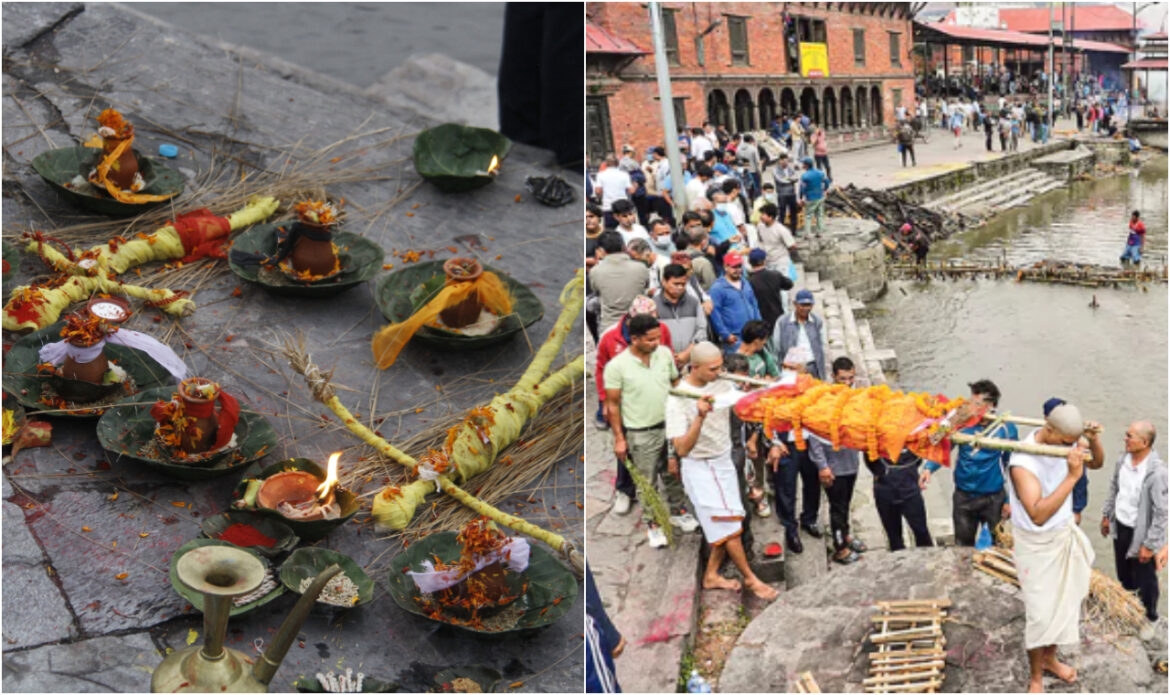
Eight days after torrential rains and catastrophic flash floods struck Nepal, the country faces a severe humanitarian crisis. Disaster response teams have recovered 1,259 bodies from floodwaters and mudslides across affected regions, while 5,083 individuals remain officially unaccounted for. In hard-hit rural communities like Paharebesi village in the Rasuwa district, search efforts face extreme difficulty due to massive debris fields. With hopes of finding survivors waning, grieving relatives have begun performing traditional last rites using effigies constructed from Darbha grass to represent missing family members whose remains cannot be retrieved.
The casualties are heavily concentrated across central and southern regions, with 355 bodies recovered in Chitwan district, 218 in Navalparasi West, and 212 in Navalparasi East. The impact has also extended across international borders. Indian border authorities retrieved 19 bodies swept downstream via shared river systems from Navalparasi West and officially handed them over to Nepalese officials. Meanwhile, search operations remain underway for nearly 100 Nepalese nationals reported missing in adjacent Tibetan territory.
Beyond the loss of life, severe landslips have dramatically altered the local terrain across the valleys of Rasuwa and Nuwakot, destroying critical infrastructure and leaving entire settlements unrecognizable. The risk of further destruction remains high as meteorological authorities issued renewed flash flood warnings across 19 districts, including the Kathmandu Valley. Sustained heavy rainfall in the upper catchments of the Bhote Koshi and Trishuli rivers has pushed major tributaries past dangerous levels, forcing emergency management agencies to prepare for potential secondary evacuations.