





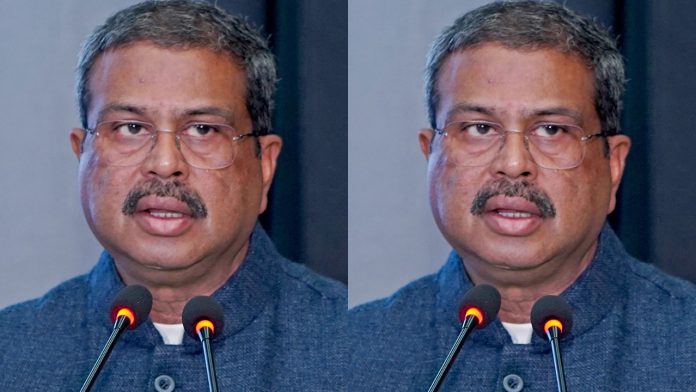
Union Education Minister Dharmendra Pradhan has resigned from his post in the wake of the NEET paper leak, serious irregularities, and the controversies surrounding the conduct of the competitive examination. This significant development came about after prolonged protests led by students across the country and the Cockroach Janata Party (CJP) finally bore fruit. Amid nationwide protests reaching a peak, Pradhan submitted his resignation letter to Prime Minister Narendra Modi, taking moral responsibility for the NEET irregularities. Responding to the development, he stated that he had taken this decision out of respect for the aspirations and interests of the country’s youth.
The Central Government faced severe criticism following the exposure of the NEET question paper leak controversy. With the futures of thousands of talented students thrown into uncertainty, educators and student organizations took to the streets in large numbers. They strongly demanded strict action against those responsible for the leak, an end to the flawed examination system, and the immediate resignation of the Education Minister, taking responsibility for the failures. This historic struggle, led under the CJP, ultimately forced the Centre to relent.
In the wake of this controversy, the Central Government has initiated a comprehensive overhaul of the country’s examination system. To prevent such irregularities from recurring in the future, the Centre has released the draft of the “Public Examinations (Prevention of Unfair Means) Amendment Bill – 2026.” The bill proposes strict punishments and heavy fines for paper leaks and malpractice in examinations, along with fast-track courts and defined timelines for the trial of related cases. Notably, the students’ struggle has led not only to the minister’s resignation but also to a new, transparent piece of legislation.