





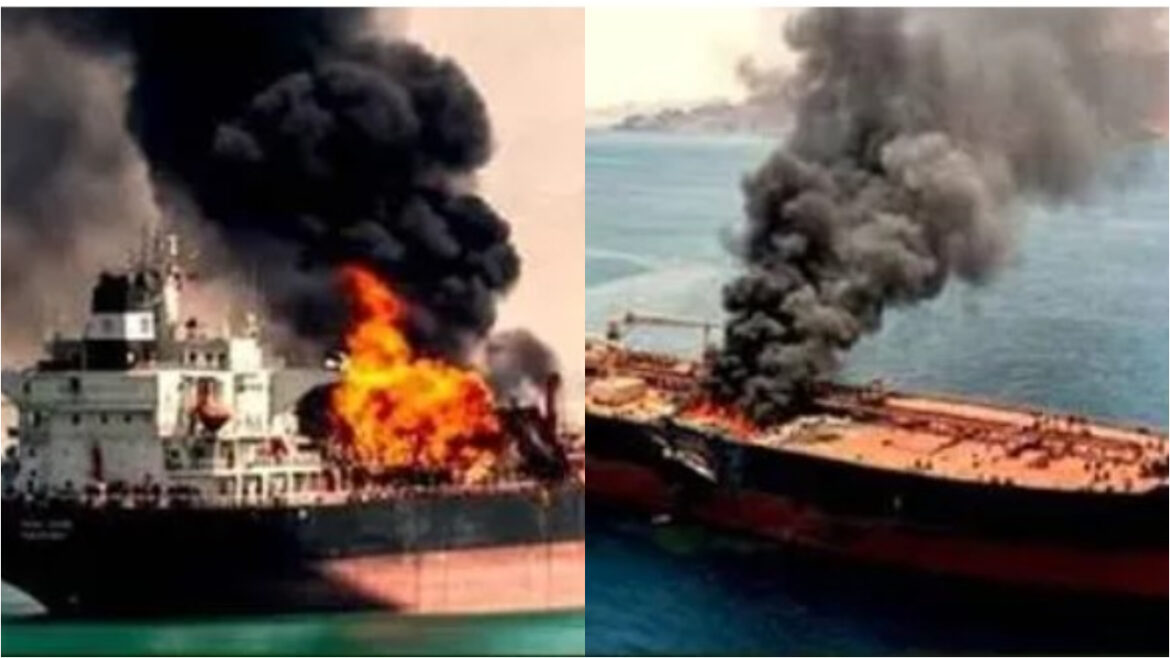
Tensions between Iran and the United States in West Asia have flared up once again, with the US continuing its strikes on Iran. Iranian media reported that major explosions occurred near Khark Island, a critical energy hub in the Persian Gulf, as part of the latest wave of attacks. International media reported that US forces targeted an Iranian oil tanker near the island.
The local Fars News Agency said several explosions were heard in the area, though it did not provide a clear explanation for their cause. Notably, Iranian authorities have not yet officially confirmed the strikes, leaving the full scale and nature of the attack unclear at this stage.
Since the outbreak of hostilities between Iran and the United States, Khark Island has now been struck three times. The first strike occurred in March, when Iran closed the Strait of Hormuz, disrupting global oil supplies; in response, the US struck the island and destroyed military installations there, notably without targeting oil infrastructure at the time. The second strike took place on April 7, and when Iran’s position remained unchanged, President Donald Trump issued further warnings before American forces resumed air strikes on Iranian military installations.
The latest attack, targeting an oil tanker near Khark Island, marks the third such strike to date and has further heightened tensions in the region. Khark Island lies approximately 33 kilometres off Iran’s coast and serves as the country’s largest crude oil export hub, through which the majority of Iran’s crude oil exports are reportedly shipped, including large volumes destined for countries such as China. The island is widely regarded as central to Iran’s economy and government revenue.
Beyond its oil storage facilities and refineries, Khark Island is also home to thousands of resident workers, along with sites of historical significance, including a Portuguese-era fort and an ancient Christian monastery. The strike on such a strategically vital location has added further weight to the escalating conflict in the region.