





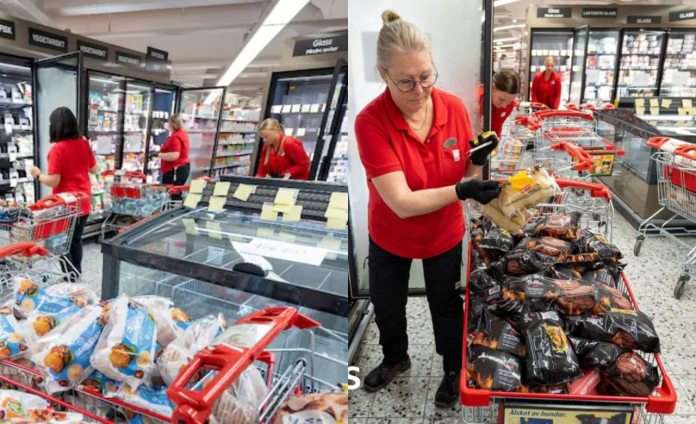
Supermarket chains in seven European countries were hit by a cyberattack this week after hackers targeted commercial refrigerators and freezers, causing units to shut down abruptly. In some stores, thermostats were remotely raised to as high as 50°C (122°F), spoiling large quantities of food. The European Union condemned the incident as a deliberate attempt to disrupt the food supply chain and sow panic among the public.
Affected retailers include Carrefour, Intermarché and IKEA in Belgium; Coop and ICA in Sweden; Delhaize in Luxembourg; Kesko in Finland; and SuperValu in Ireland. Similar suspicious incidents were reported previously at commissaries on US military bases.
Security experts say the attackers exploited a common weakness: many organizations do not regularly update internet-connected refrigeration software, often out of concern that systems could go offline or due to limited awareness of the risk. As a result, security patches were frequently missing. The hackers did not need sophisticated malware, instead taking control of internet-based switches to carry out the sabotage.
No hacker group or ransomware gang has claimed responsibility, and no ransom has been demanded. Cybersecurity analysts suspect state-sponsored actors, possibly linked to countries such as Russia or China, may be behind the attack, either to demonstrate their capabilities or to create a psychological impact on society.
Experts say promptly patching software systems is the most effective safeguard. Britain has so far been spared because internet-connected refrigeration is less widely used there, though retailers are working with security agencies to prepare for future threats. The incident serves as a warning that every network-connected appliance, not just computers, now faces cyber risk.