





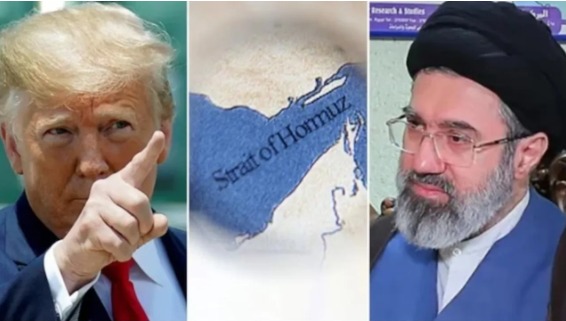
After more than 100 days of intense tensions and military conflict, the United States and Iran have finally reached a peace agreement. The deal covers a ceasefire, easing of sanctions, and controls on nuclear programmes. President Donald Trump announced that the historic agreement will be formally signed this Friday. Tehran also confirmed that the war will be officially declared over from Monday. The conflict had begun on February 28 this year when the US and Israel launched strikes on Iran. Pakistan Prime Minister Shehbaz Sharif was the first to reveal details of the deal to the world, after which Trump confirmed it on Truth Social, saying “the deal with the Islamic Republic of Iran is now done.” A high-level Qatari diplomatic team played a crucial role, holding nearly 17 hours of talks in Tehran to finalise the agreement. The deal contains 14 key conditions and has been described as a win-win outcome for both sides.
Iran stands to gain significant economic and sovereignty benefits. International sanctions on its oil and petrochemicals sectors will be lifted. Frozen financial assets worth $24 billion will be released by the United States. A pathway has been cleared for Iran to plan $300 billion in post-war reconstruction. A ceasefire will come into effect across all border regions including Lebanon, the US naval blockade will be lifted, and American military forces will be withdrawn from the region. For its part, the United States achieved its key strategic goal of preventing Iran from developing nuclear weapons, backed by international monitoring and UN Security Council endorsement, with both sides agreeing to advance nuclear talks over the next 60 days. Both nations also agreed to reopen the Strait of Hormuz, impose no new sanctions on each other, and avoid military escalation during the 60-day peace talks period. The deal is expected to bring stability to West Asia and provide major relief to the global economy.