





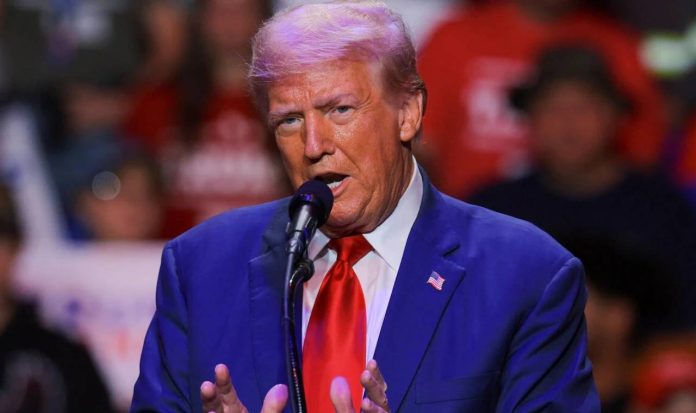
President Donald Trump has decided to replace immigrant truck drivers currently operating across the United States with American military veterans. He alleged that many drivers working illegally in the country are operating unsafely and are responsible for a rising number of road accidents.
Trump said his administration would soon take “historic action” against drivers who entered the country illegally. He criticized many drivers for being unable to read traffic signs and accused some of operating trucks while addicted to narcotics. “We don’t want illegal immigrants — we will hire our military heroes as truck drivers in their place and train them to drive trucks,” he said. He added that new rules would be introduced to make it easier for veterans who operated heavy vehicles during their military service to obtain commercial driving licenses.
The decision is expected to significantly impact thousands of Indian truck drivers in the US, particularly those from Punjab and Haryana. According to figures from the North American Punjabi Trucking Association, between 130,000 and 150,000 drivers in the US hail from Punjab and Haryana, with a majority of them being Sikh. Most of these drivers hold legal citizenship or valid work permits. However, following a string of recent accidents involving drivers of Indian origin found to be residing in the country illegally, the administration has moved toward a tougher stance.
The US trucking industry has long relied heavily on immigrant labor amid a severe shortage of drivers. Under the new measures being pursued by the Trump administration, approximately 200,000 immigrant drivers have already lost their licenses. The government says the goal of the new proposal is to enhance public safety while creating employment opportunities for military veterans. However, officials have not yet released full details on how existing drivers will be identified or how their licenses will be revoked.
The move adds to a broader pattern of immigration crackdowns under the Trump administration, and is likely to raise fresh concerns among immigrant communities and industry groups about labor shortages, legal protections for those with valid work authorization, and the practical challenges of replacing an experienced workforce with newly trained recruits on a nationwide scale.