





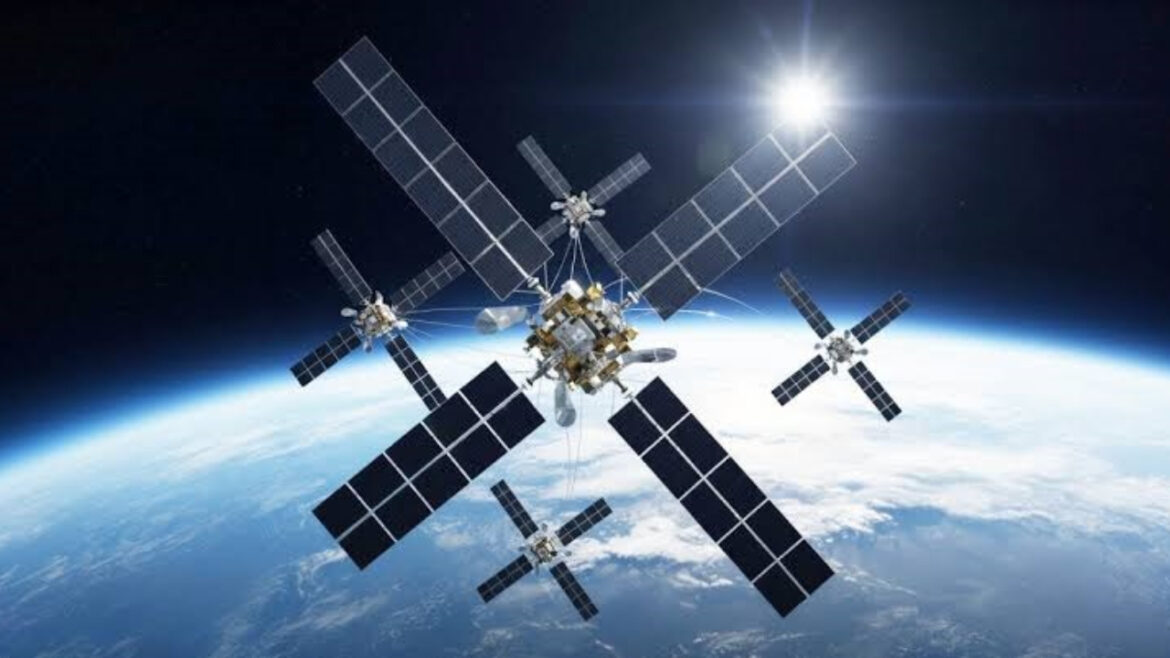
HYDERABAD: Hyderabad-based startup TakeMe2Space is set to launch its MOI-1A satellite on October 1 aboard a SpaceX Falcon 9 rocket, as part of the Transporter-18 rideshare mission. The satellite is a step towards building data centres in orbit that can analyse satellite imagery on the spot, instead of sending raw images to Earth for processing.
At present, images captured by satellites must first reach Earth and then be analysed by scientists on computers, a process that takes considerable time. This delay matters most during disasters such as major storms and floods, when authorities need quick estimates of the damage. Several countries are now considering data centres in space to speed up the process.
Unlike conventional satellites, which perform only the fixed tasks programmed into them at manufacture, MOI-1A will accept algorithms uploaded from Earth, much like apps on a smartphone. The National Disaster Management Authority could upload an algorithm to identify flooded areas, agriculture officials could track dried or pest-hit crops, and naval officials could look for suspicious vessels near India’s coast. The satellite will carry a platform called Orbit Lab for this purpose.
The satellite was originally to be launched in January on ISRO’s PSLV-C62 rocket, but that mission failed after a technical problem in the third stage left the rocket unable to reach its intended orbit. A second satellite, MOI-1B, is also being planned for launch on an ISRO mission this year. Both are trials for a larger 2028 mission, and will show how the onboard chips perform in the extreme conditions of space.
If the trials succeed, TakeMe2Space plans to launch two satellites of 100 kg each in 2028, linked by laser beams to function as a full cloud data centre. While MOI-1A carries one Nvidia chip, each 2028 satellite will carry 10 Nvidia Thor chips and draw up to 1,500 watts at full operation. Google’s Project Suncatcher, a far larger initiative, aims to place AI cloud data centres in space that can also process data sent from Earth. A Google prototype satellite will fly on the same October 1 Falcon 9 launch as MOI-1A.