





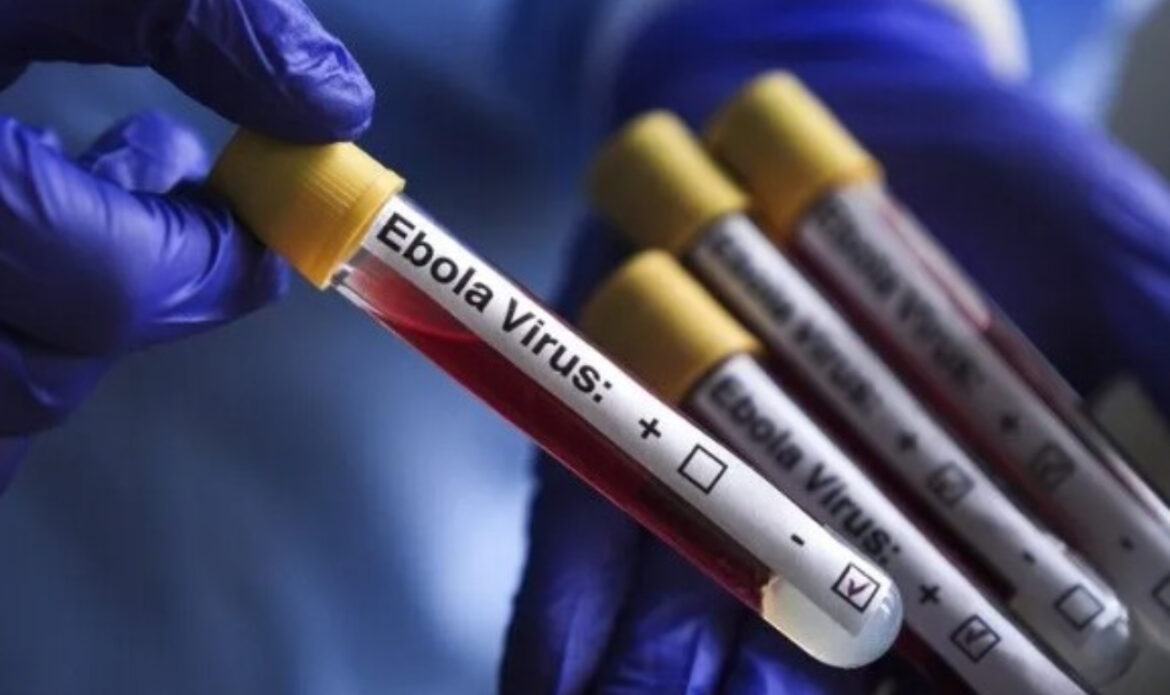
The Ebola virus is spreading at an alarming rate in the Democratic Republic of Congo, causing widespread concern across the African continent. World Health Organization Director-General Tedros Adhanom Ghebreyesus made it clear that the situation, which is worsening by the day, is deeply troubling. International health experts have expressed alarm, noting that the current strain of the virus is spreading far more rapidly than previous Ebola outbreaks.
Until now, the outbreak that struck West African countries between 2014 and 2016 had been considered the deadliest on record, with more than 28,000 cases reported and over 11,000 lives lost. However, officials now estimate that the developments currently unfolding in Congo, along with the pace at which the virus is spreading, are surpassing the severity of that earlier outbreak.
According to current official figures, more than 4,300 Ebola cases have been recorded in Congo so far, with over 2,000 people having already lost their lives to the virus. Given the severity of the outbreak, the WHO declared a Public Health Emergency of International Concern back in May. Even so, the intensity of the outbreak has not eased and is instead spreading into more areas. Investigations conducted by health officials have made clear that the spread of this virus actually began as early as February.
Dr. Abdirahman Mahamud, Director of the WHO’s Health Emergency Interventions division, made key remarks on the situation, warning that the outbreak could reach its peak intensity within the next six months. He further estimated that the impact of the epidemic could continue in Congo and its neighbouring regions for at least 9 to 12 months. He cautioned that if the spread is not brought under control in time, the situation risks spiralling further out of hand.
The strain currently spreading in Congo is an extremely rare form of Ebola known as the “Bundibugyo” strain. Researchers have revealed that the vaccines typically used to prevent Ebola are not proving effective against this particular strain. The absence of any currently approved standard vaccine or specific medication to eliminate the virus or treat affected patients has emerged as a major challenge for scientists and medical personnel alike.
Even as the Ebola virus spreads rapidly across Africa and alarms the world, concern is also mounting globally over international cybercriminals operating out of several near-empty cities in Malaysia. Meanwhile, international health organisations are accelerating emergency measures to bring the runaway Ebola outbreak in Congo under control as quickly as possible and to provide the necessary medical assistance to those affected.