





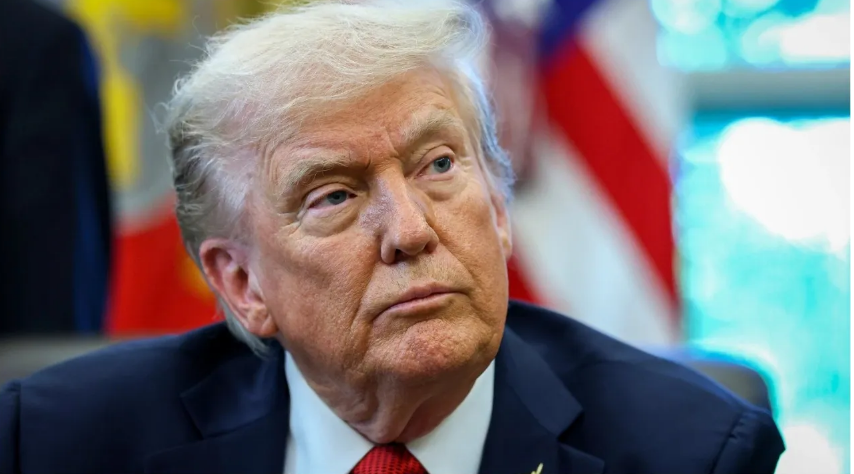
Washington, D.C.: In a setback for President Donald Trump’s Iran policy, the US House of Representatives has passed a War Powers Resolution aimed at restricting any further military action against Iran without congressional approval. The resolution was approved by a narrow margin of 215-208, with four Republican lawmakers joining Democrats in support of the measure despite the Republican Party holding a majority in the House.
President Trump strongly criticized the vote, calling it a meaningless move and accusing the Republican members who supported the resolution of undermining his authority by siding with Democrats. He described the lawmakers as disloyal to the party and opposed to his national security agenda.
Under the resolution, the administration would be required to either withdraw US forces from the Persian Gulf region or obtain explicit authorization from Congress before continuing military operations. The measure cites provisions of the US Constitution and the War Powers Act of 1973, which grants Congress the authority to declare war and requires presidents to seek congressional approval within 60 days of initiating military action.
The White House condemned the resolution, arguing that it infringes upon the president’s constitutional powers as commander-in-chief and describing the House action as unconstitutional.
The resolution will now move to the Senate, where Republicans hold a 53-47 majority. Political observers believe its chances of passage remain uncertain. Even if the measure clears the Senate, President Trump would retain the authority to veto it, significantly reducing the likelihood of it becoming law.
Meanwhile, tensions across West Asia continue to escalate. The body of an Indian national killed in the recent attack on Kuwait Airport is expected to be repatriated to India on Friday, while 13 injured Indian nationals remain hospitalized.
In another development, Hezbollah has rejected the ceasefire agreement reached between Israel and Lebanon, demanding the complete withdrawal of Israeli forces from Lebanese territory. Recent Israeli strikes reportedly killed four people, while a separate attack in Lebanon resulted in the death of a Serbian United Nations peacekeeper and left two others injured.
Amid the growing regional instability, Iran has called for the ceasefire arrangement to be expanded to Lebanon, urging diplomatic efforts to prevent a wider conflict in the region.